
You don't have to hide. You don't have to be turned away. We provide professional hair transplant care for patients living with HIV, Hepatitis B and Hepatitis C — with strict bio-safety protocols, complete confidentiality, and the respect every patient deserves.
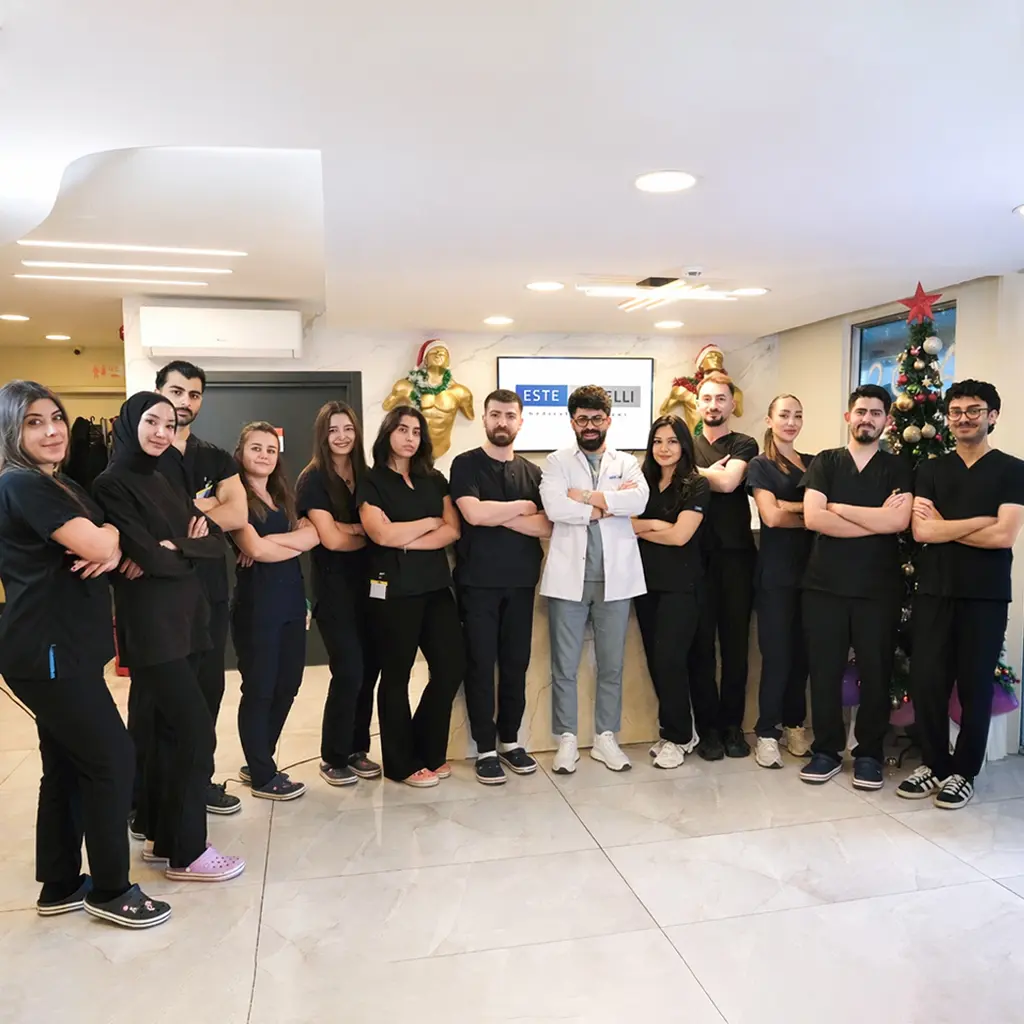
Real results from real patients — shared with permission, every identity protected.
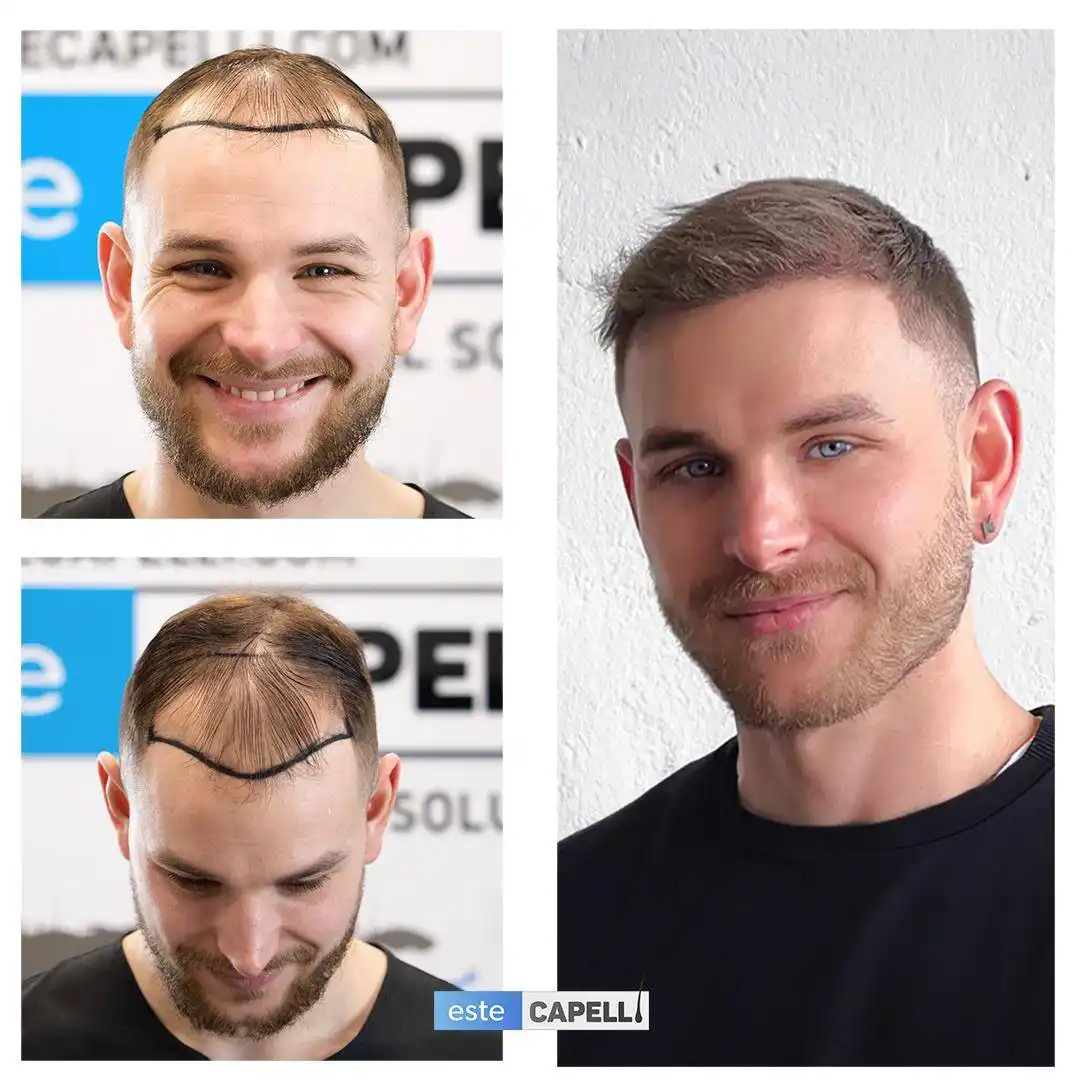
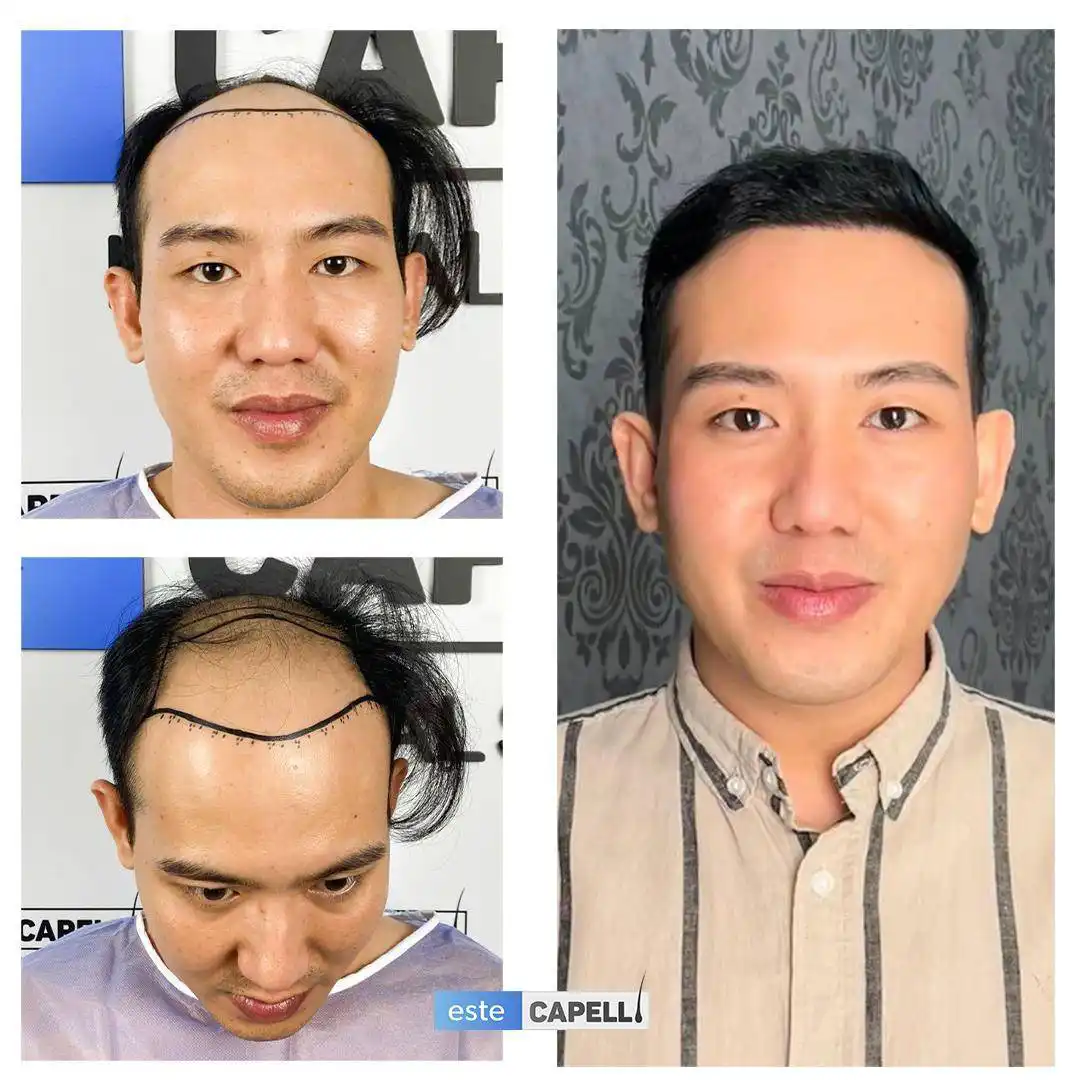
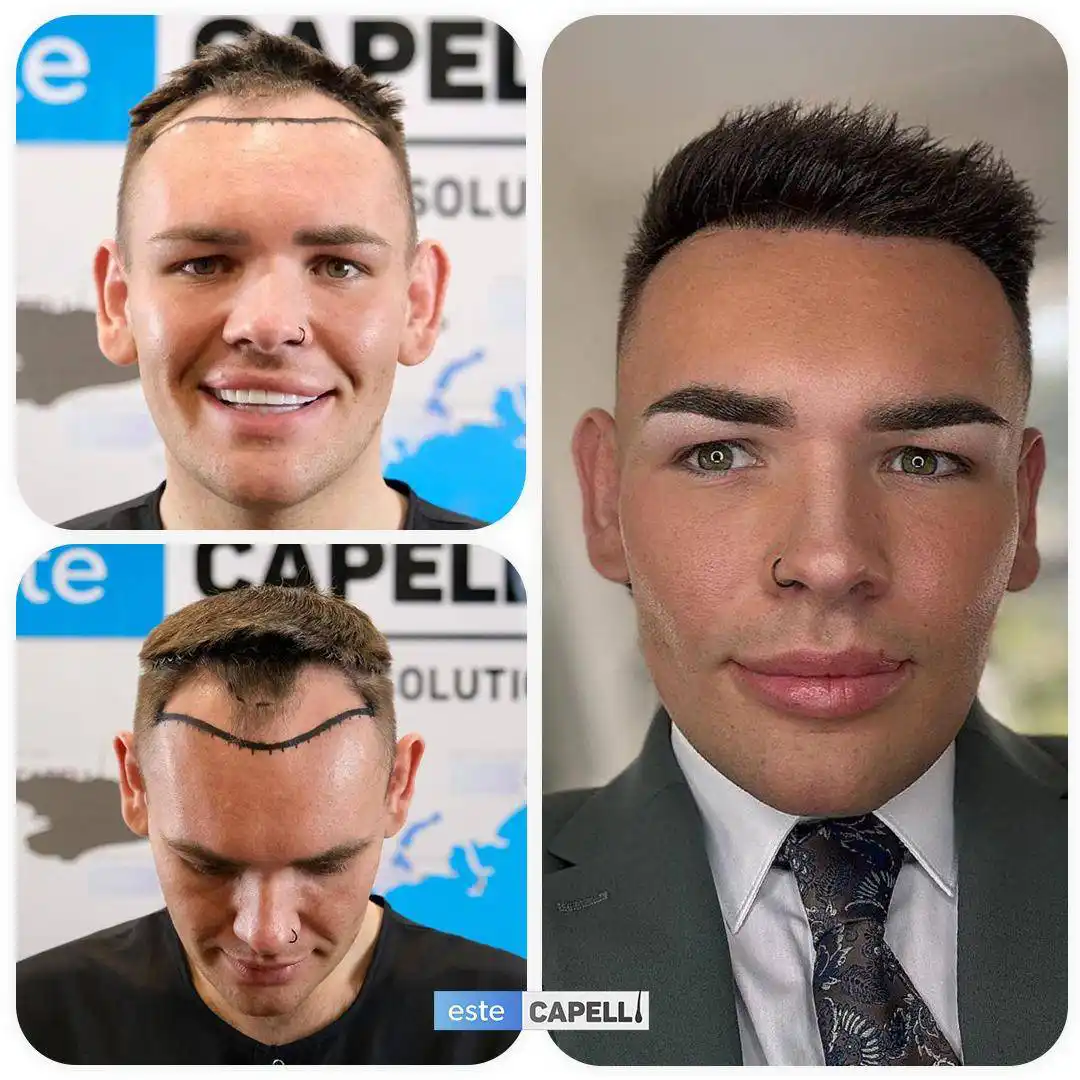
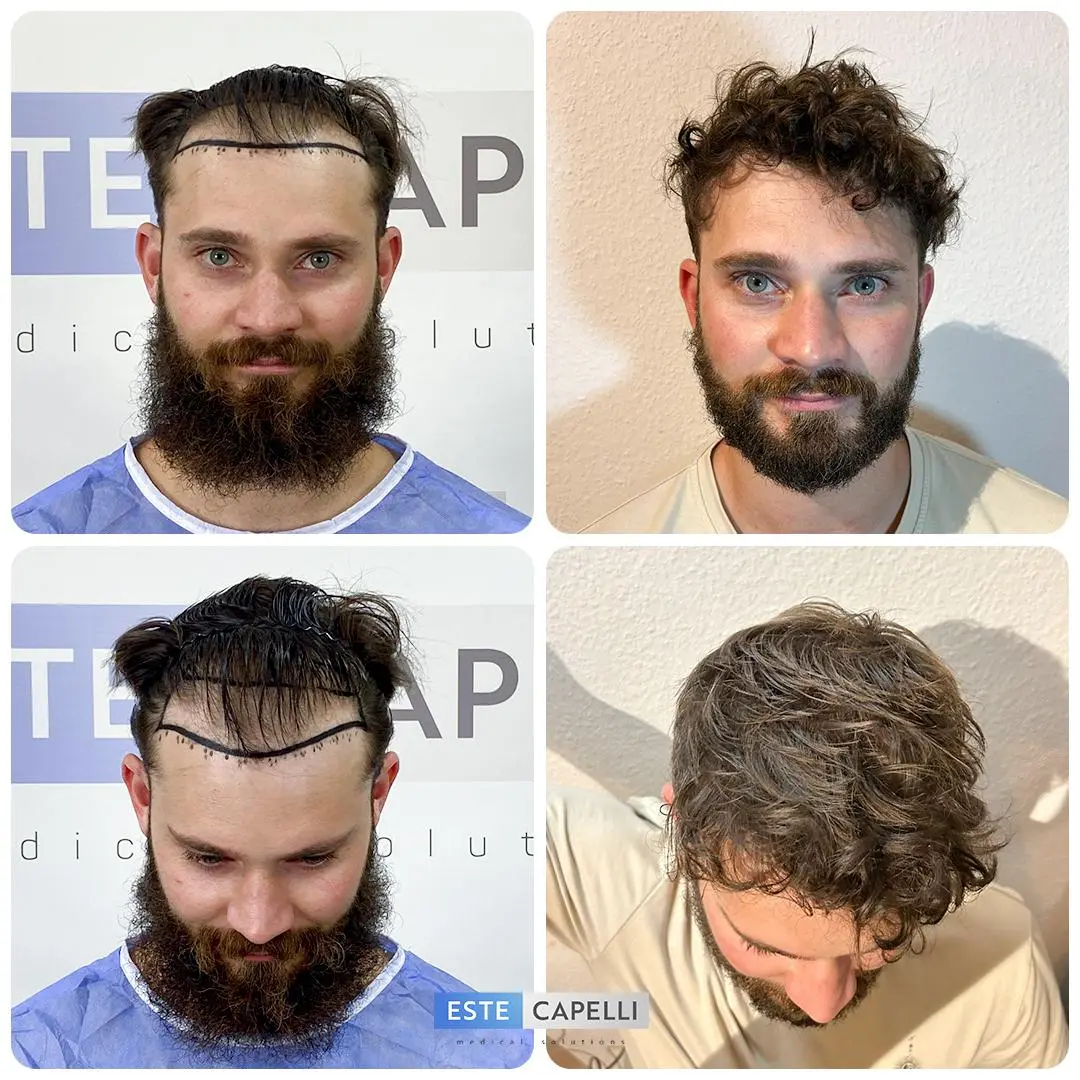
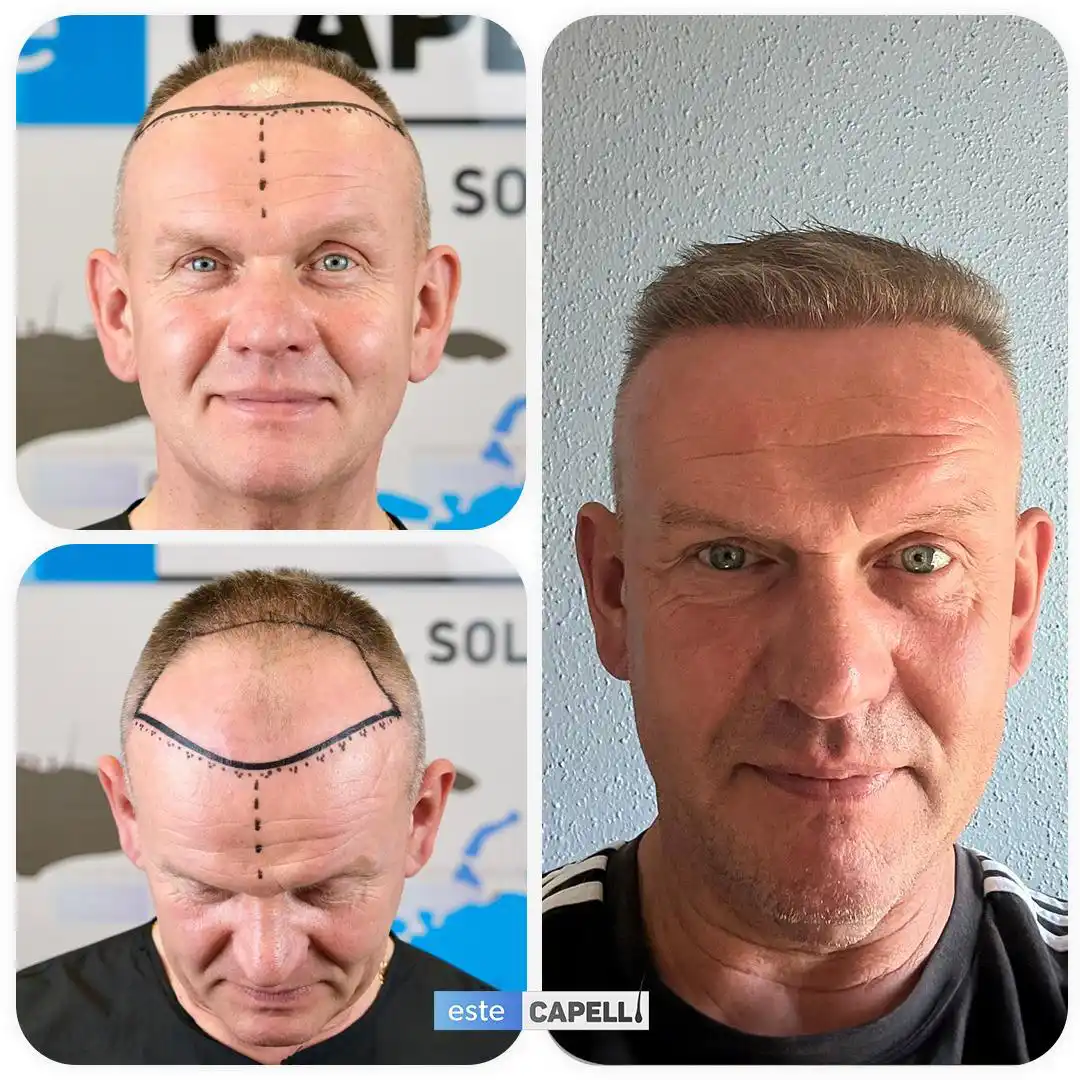
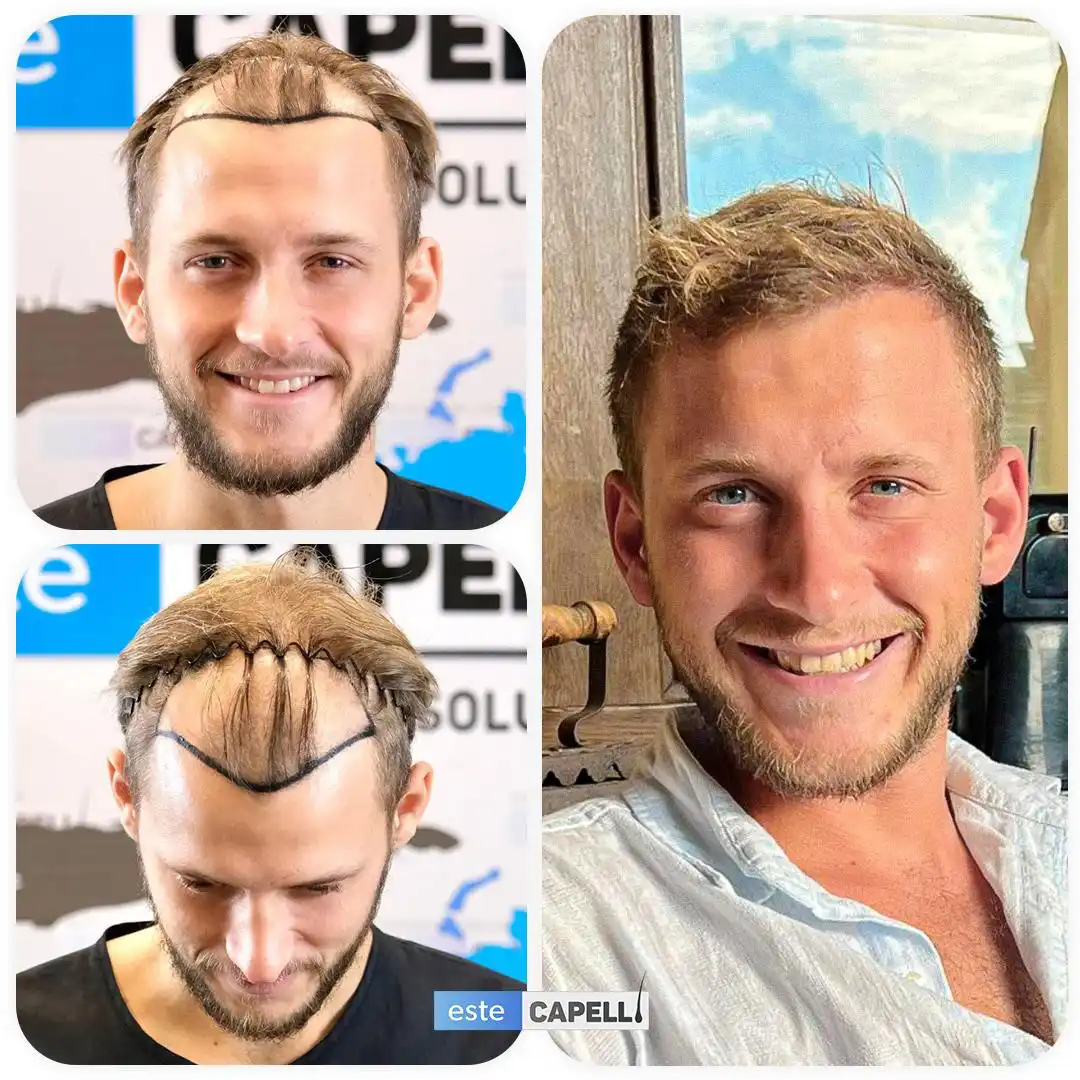
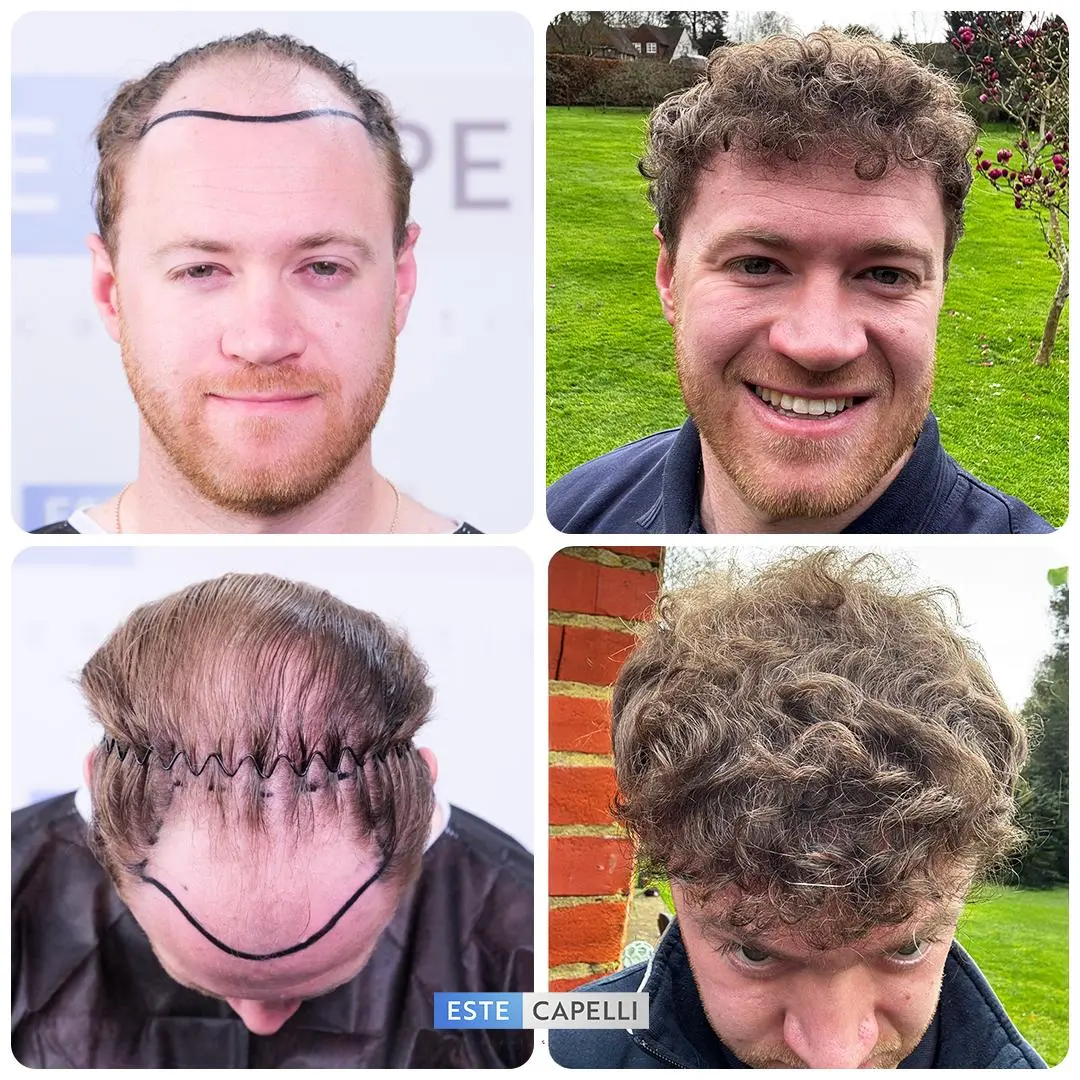
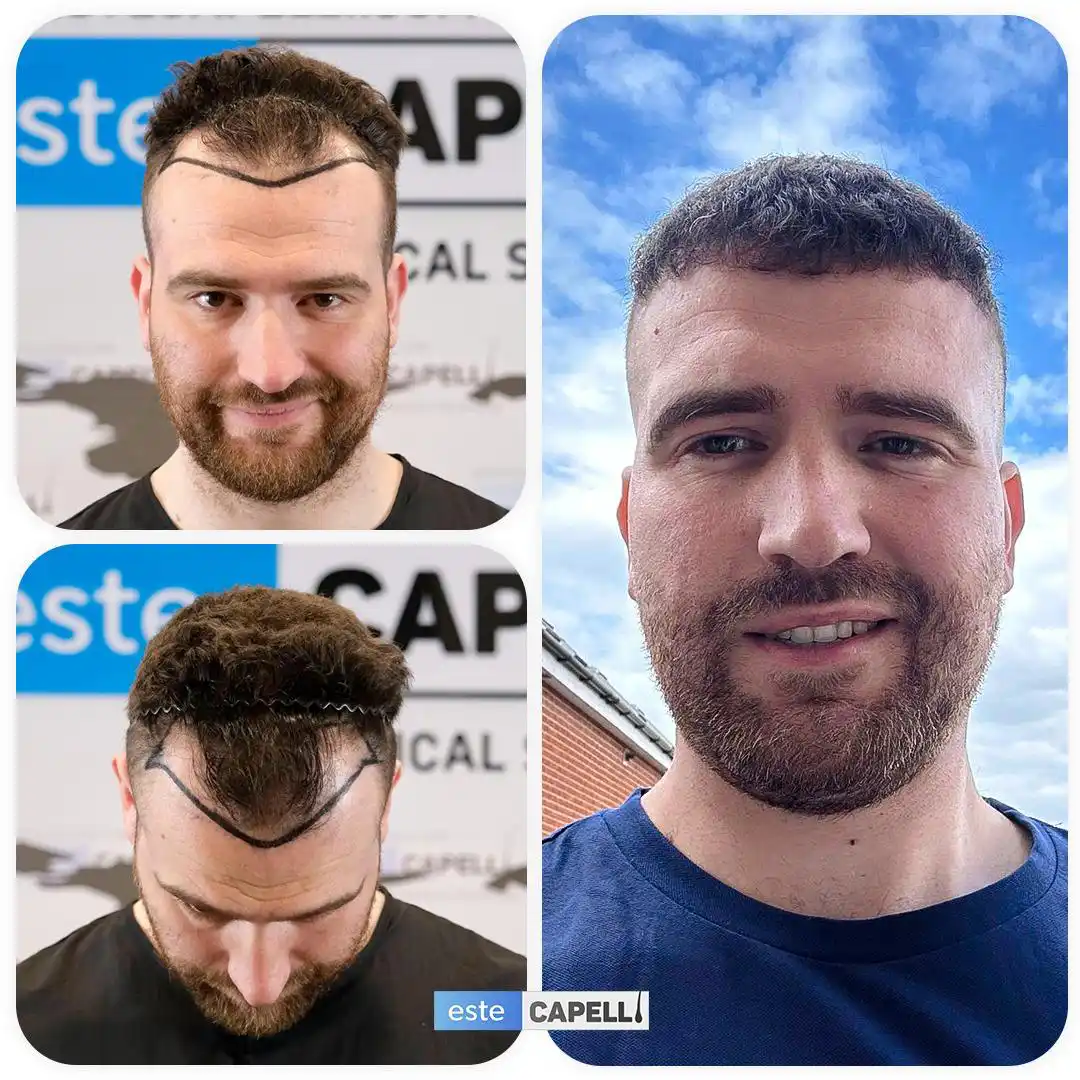
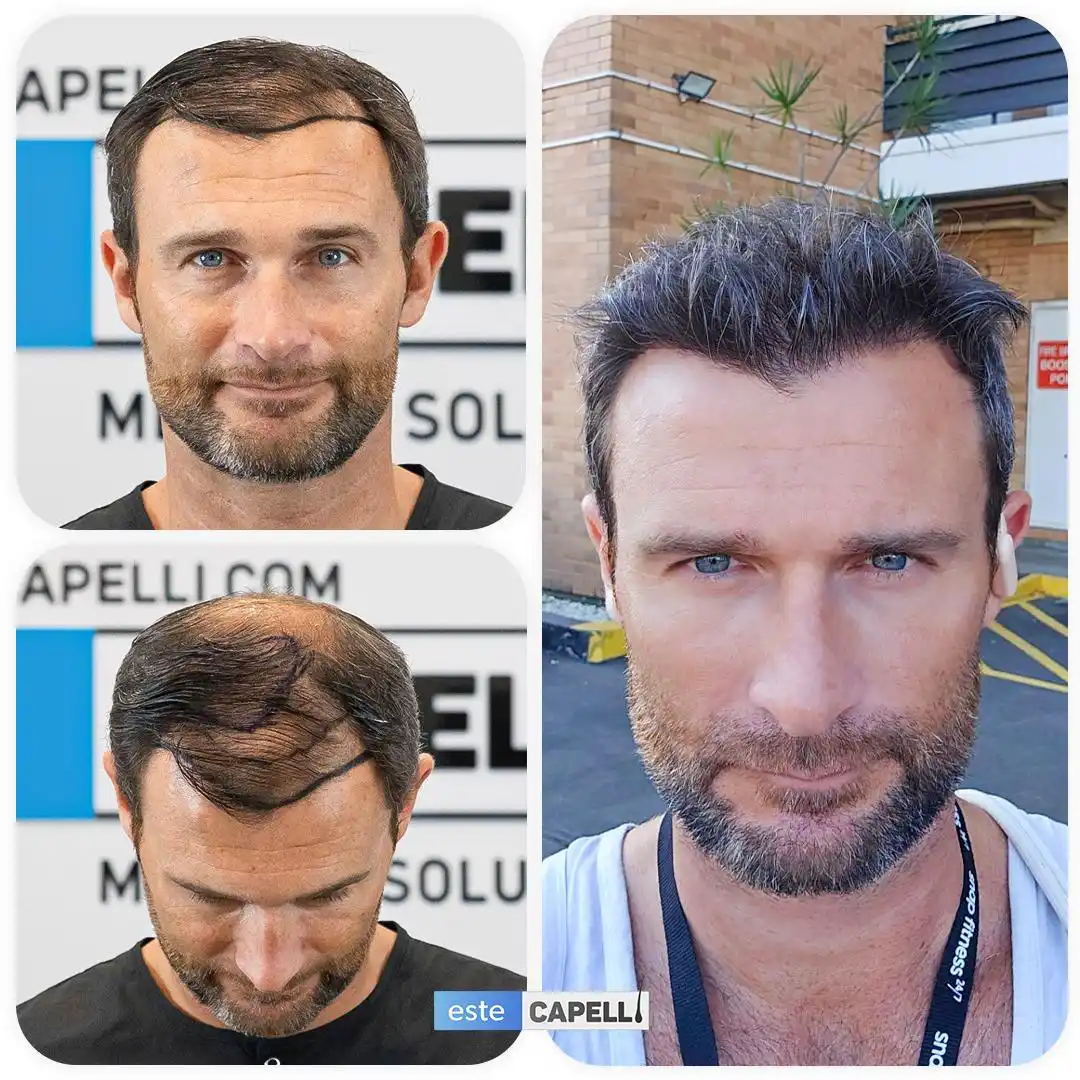
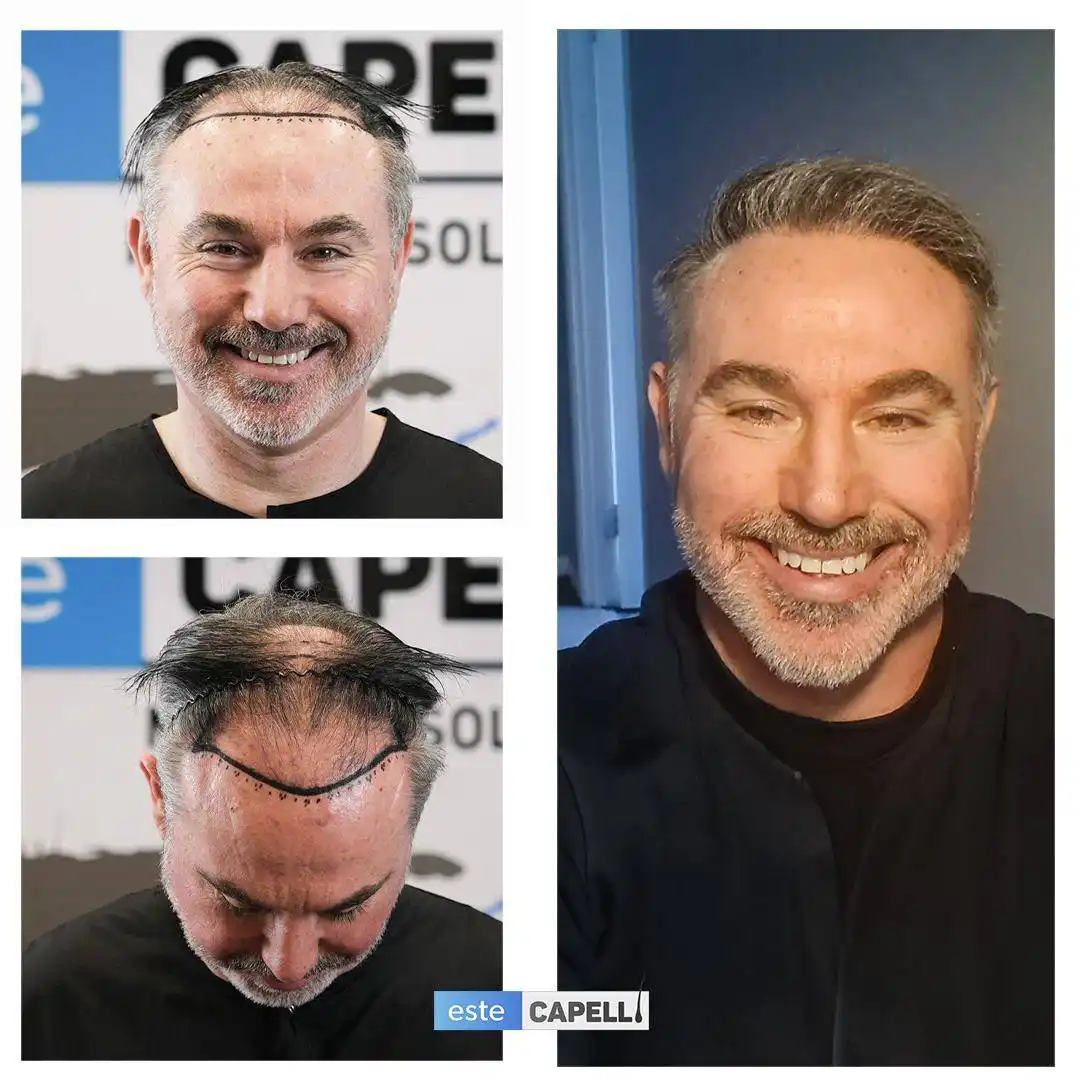
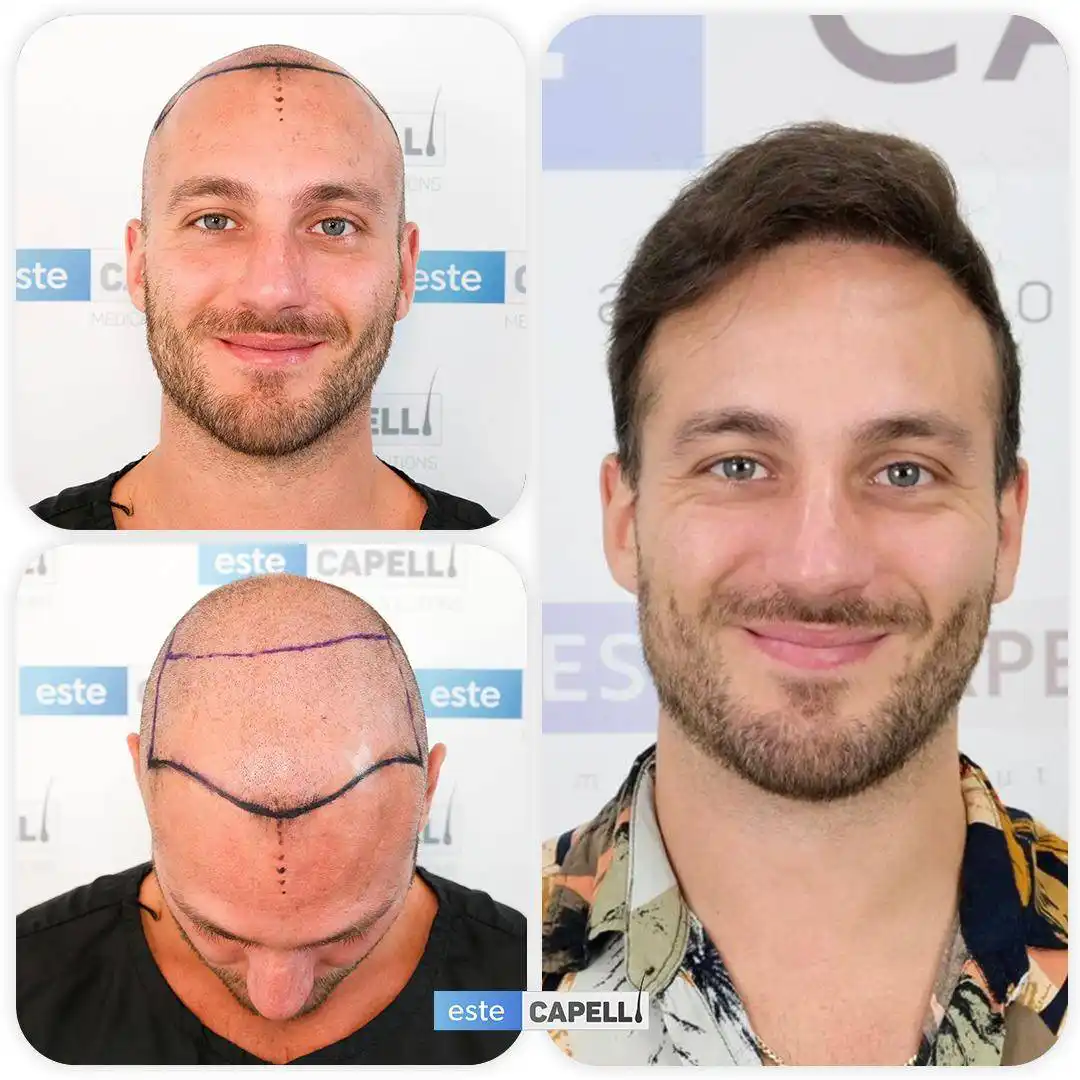
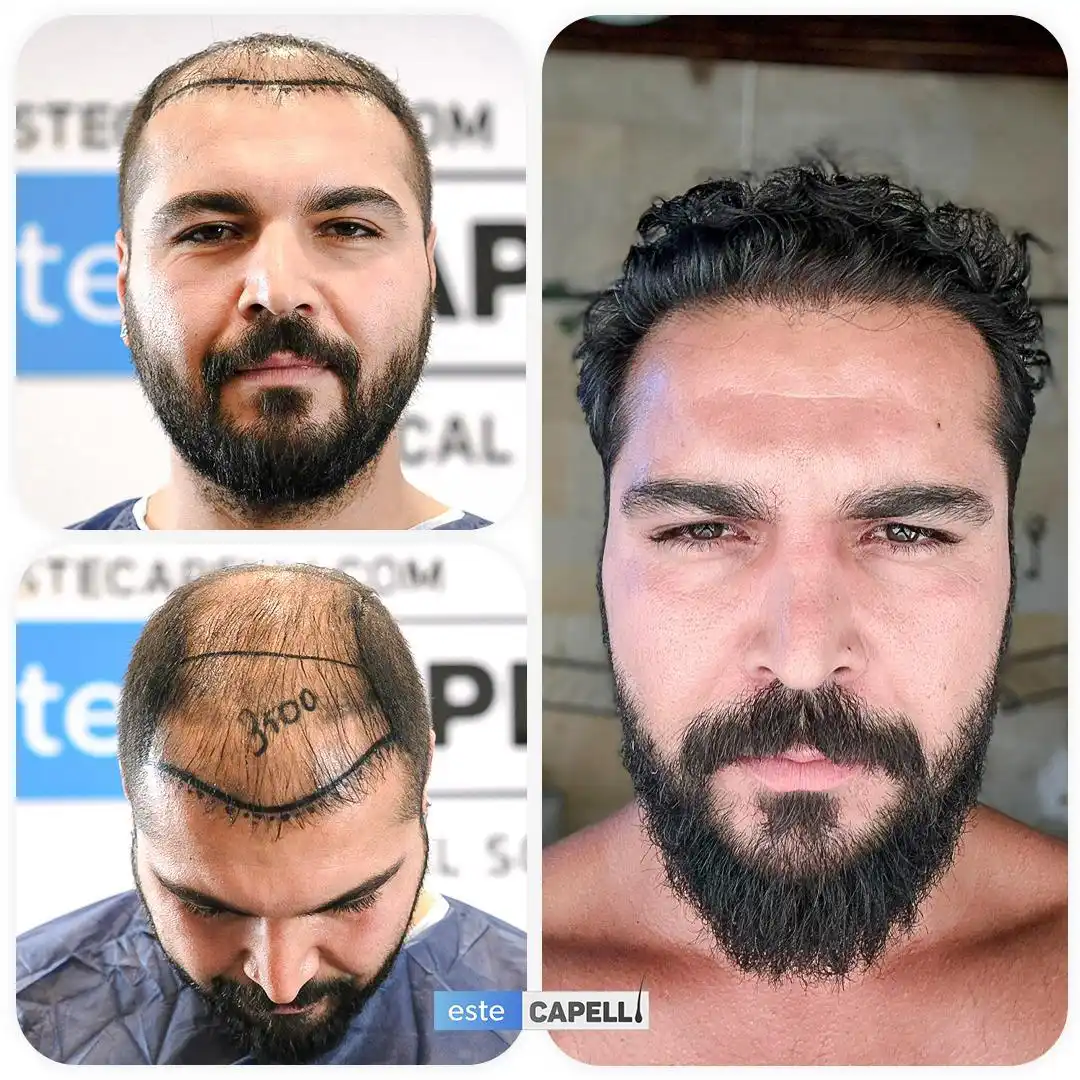
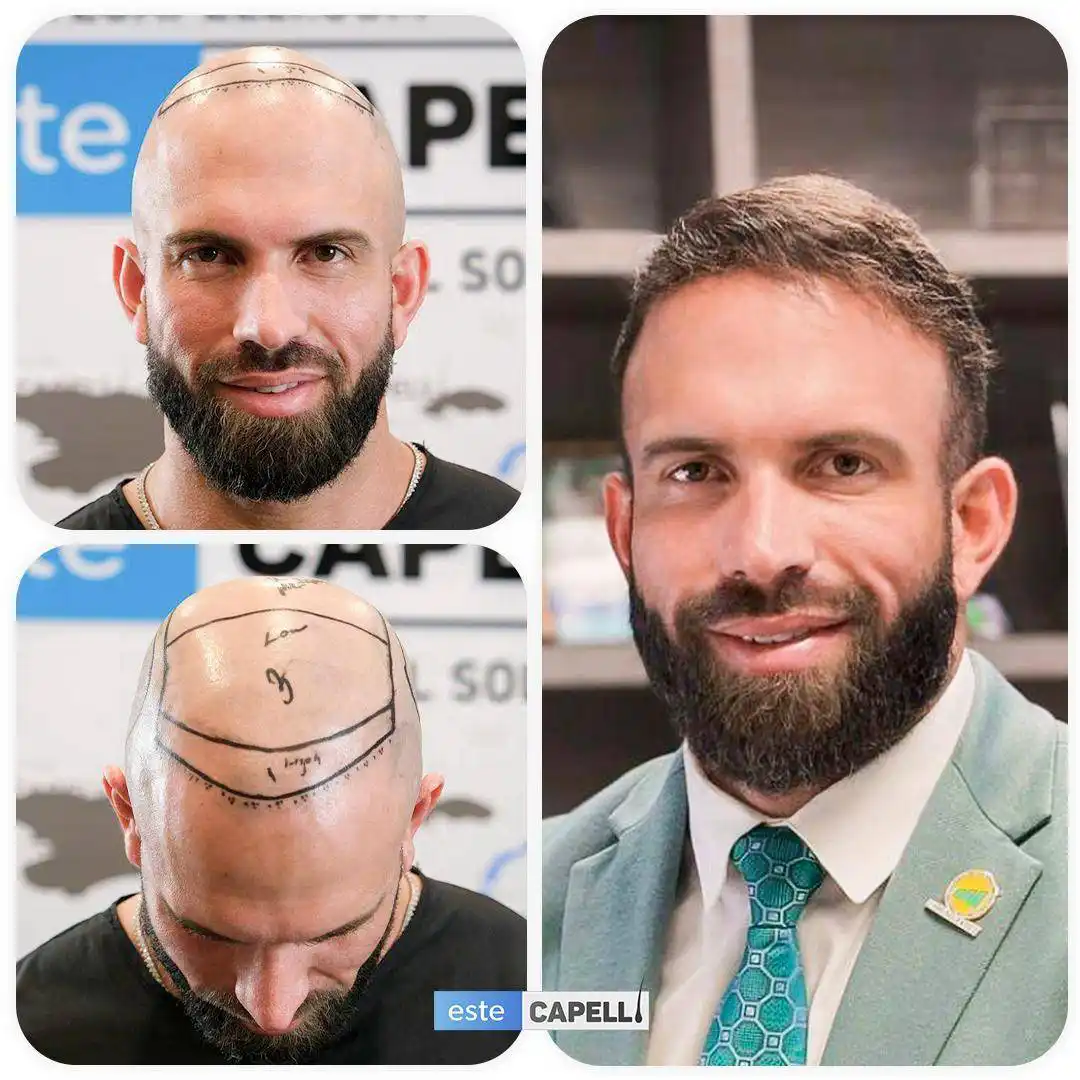
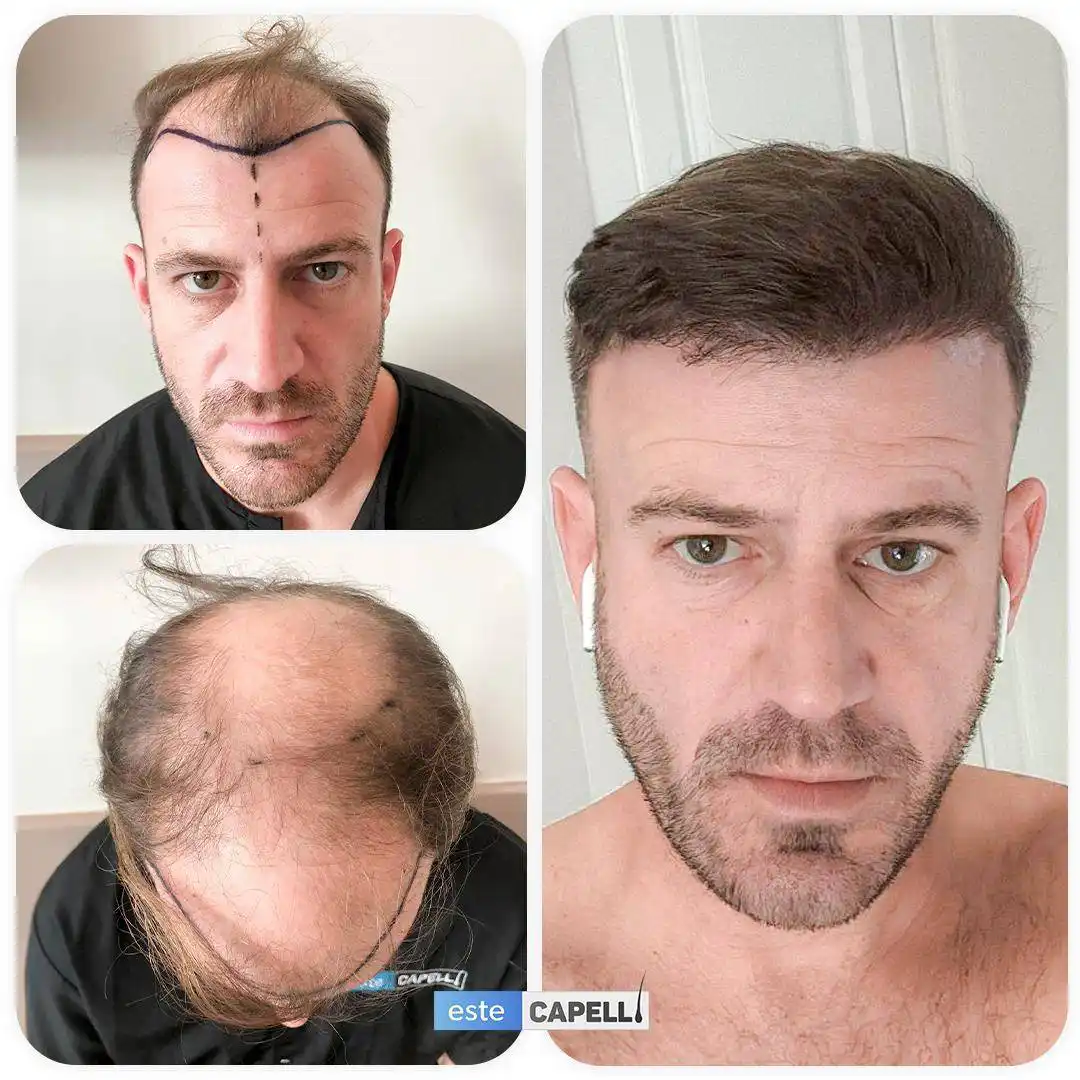
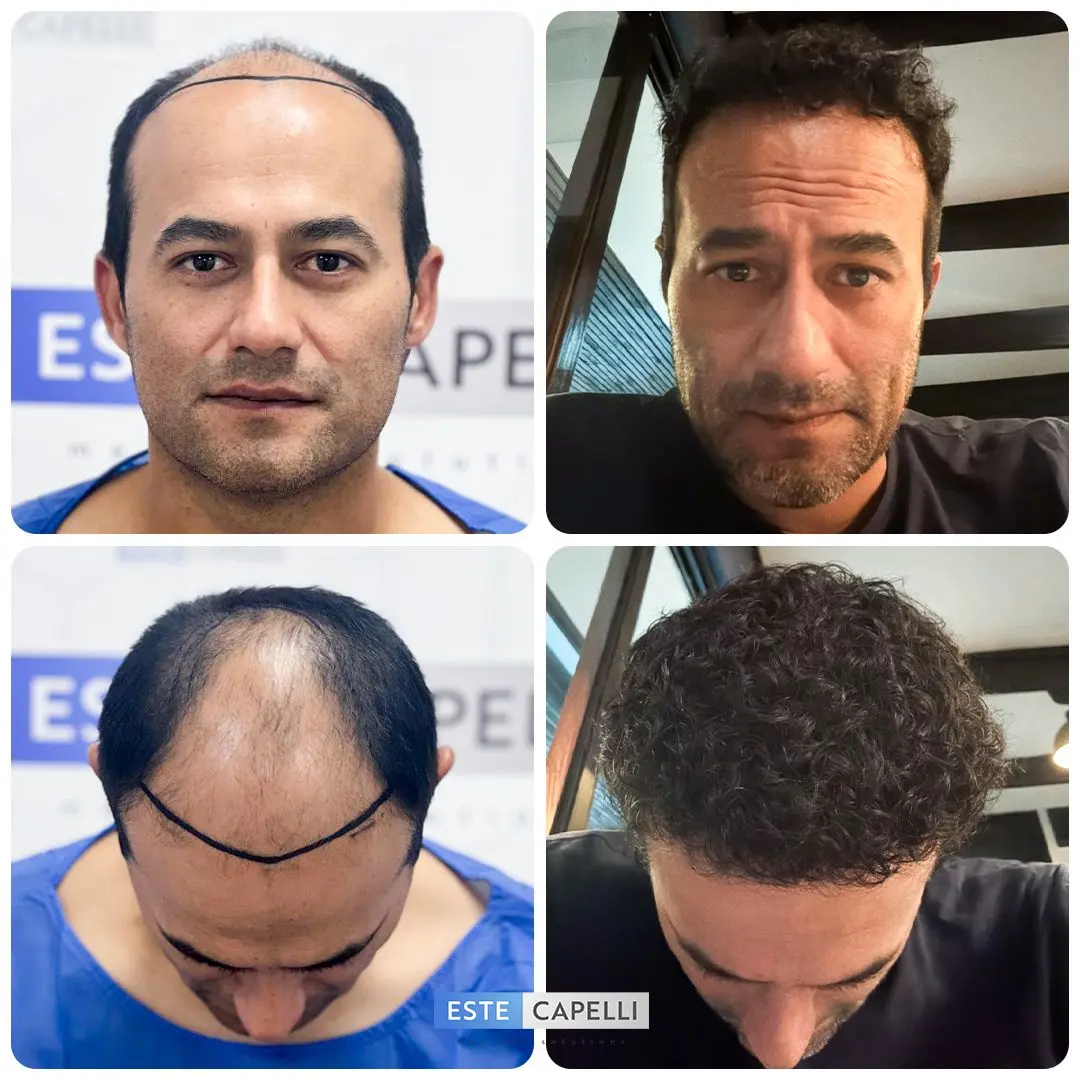
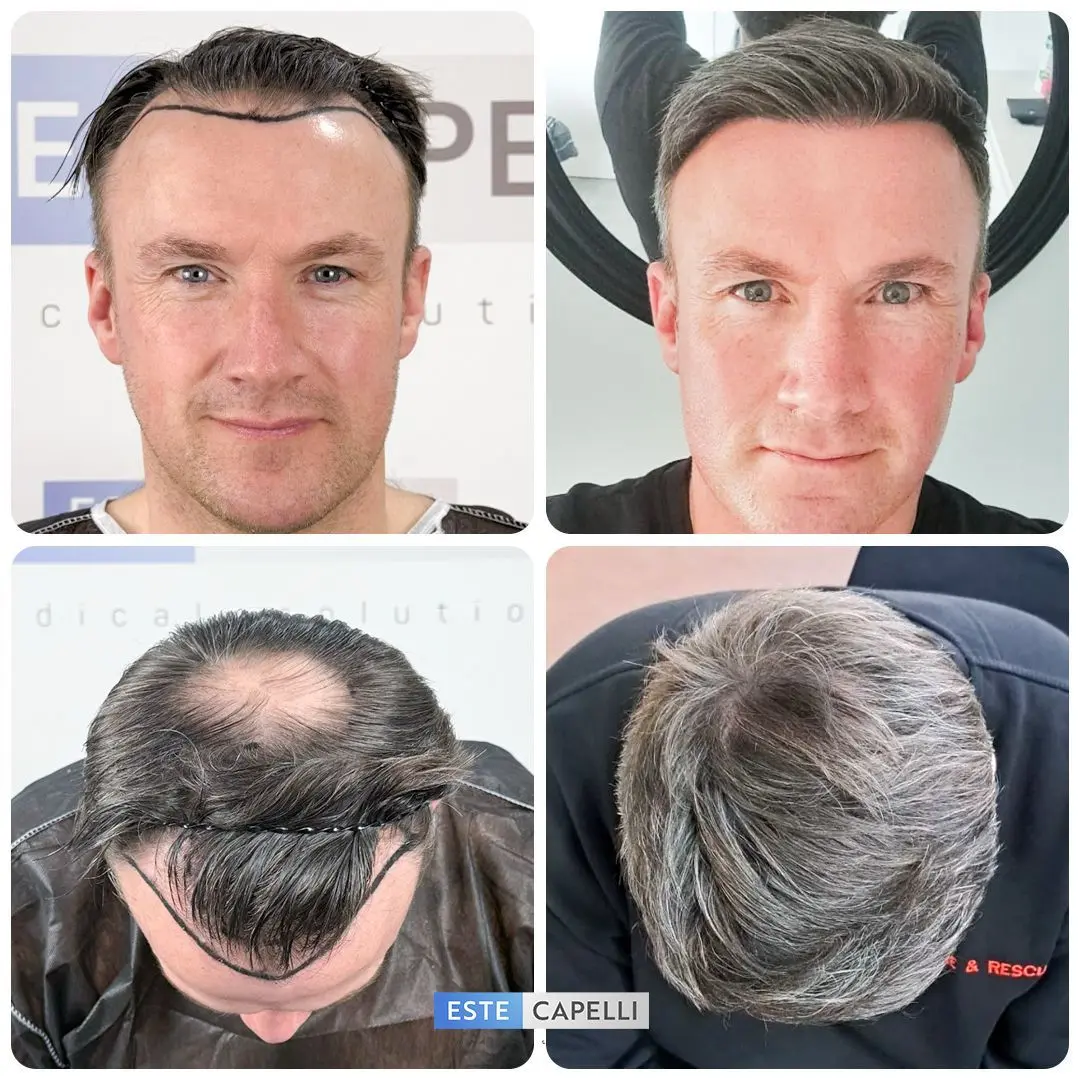
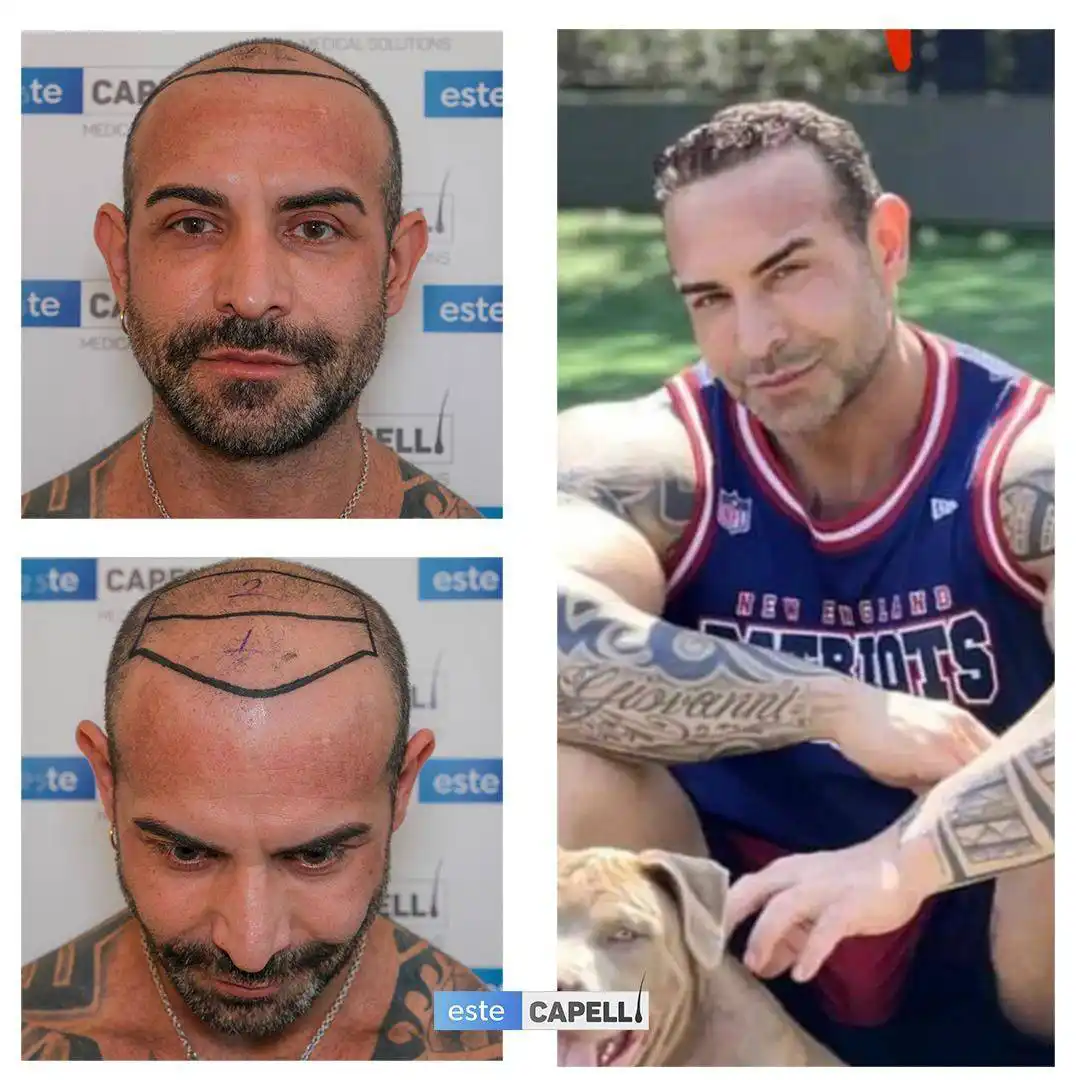
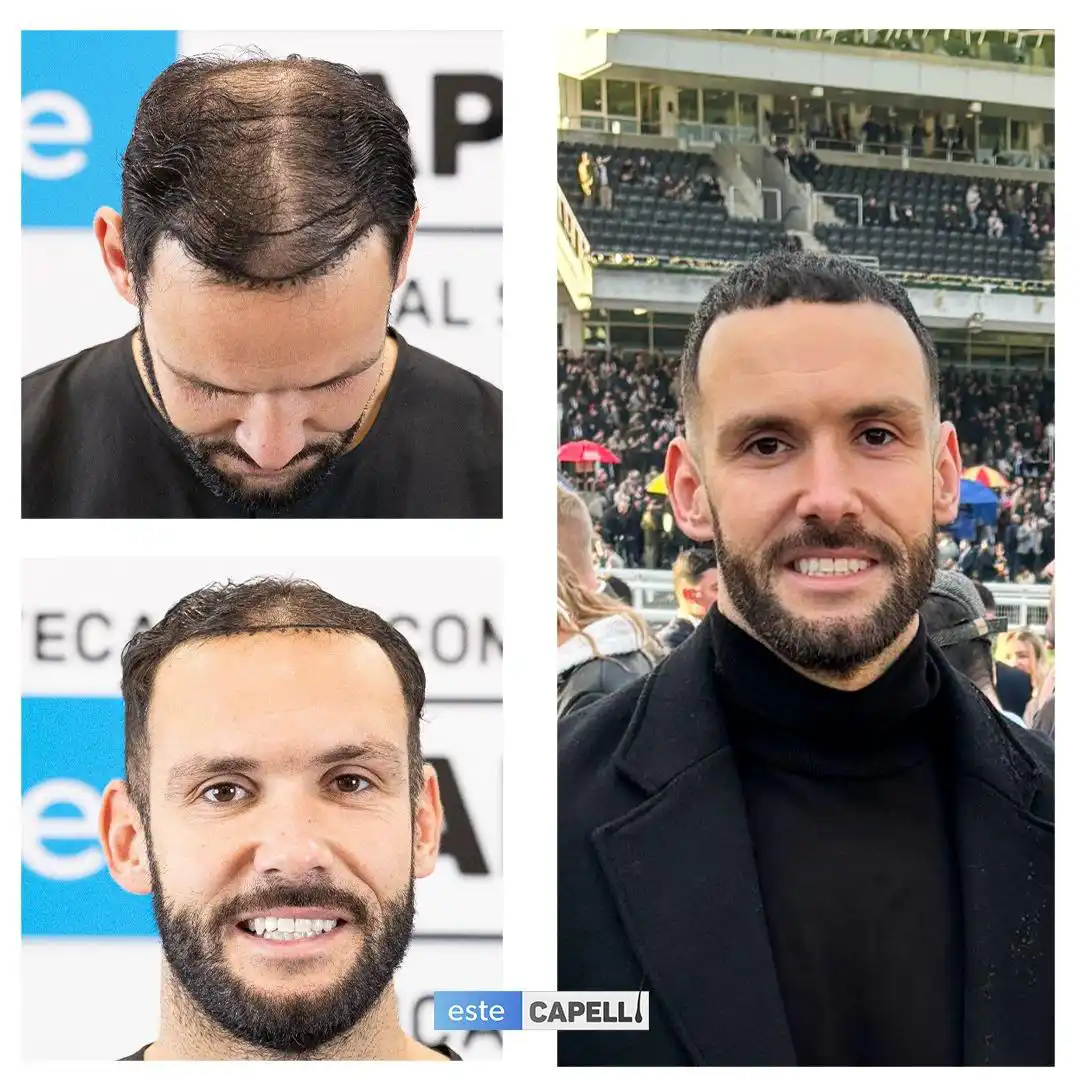
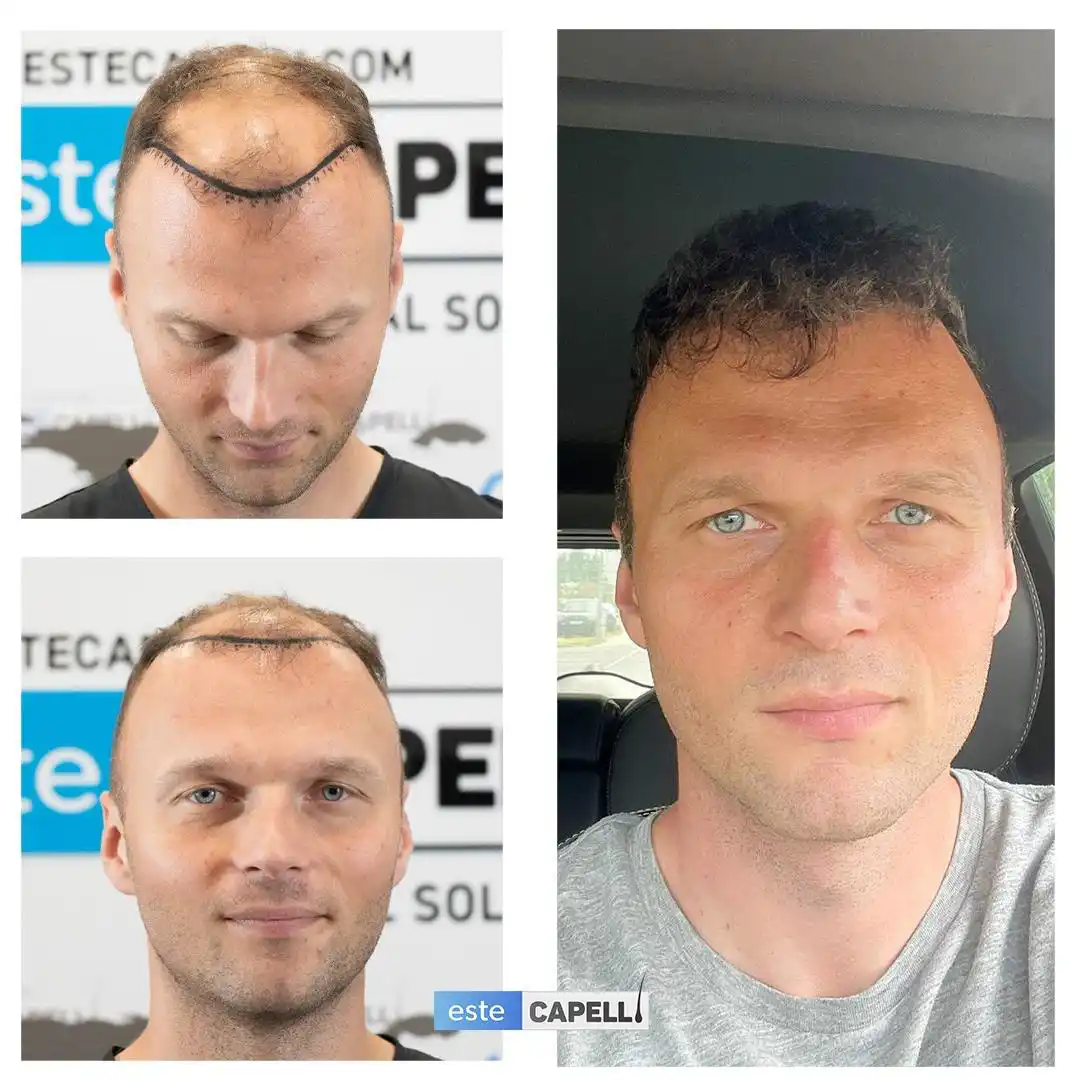
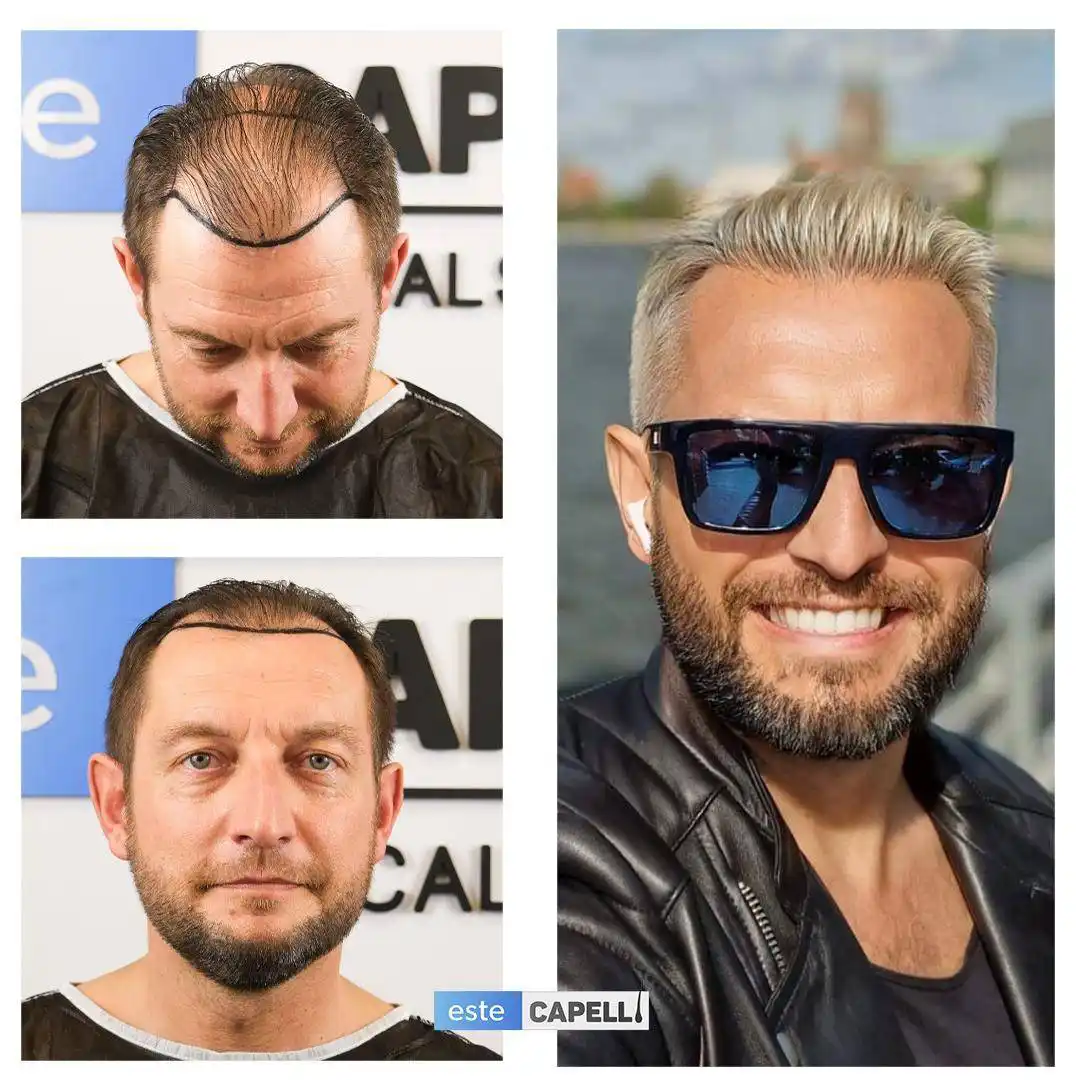
Each method below was developed and offered exclusively by Estecapelli — patented protocols you won't find anywhere else.
For HIV+ and Hepatitis patients we offer two carefully selected, internationally recognized techniques — DHI (Direct Hair Implantation) and Sapphire FUE — both performed under strict bio-safety protocols by an experienced surgical team.


Hear directly from patients who have experienced the Estecapelli difference.
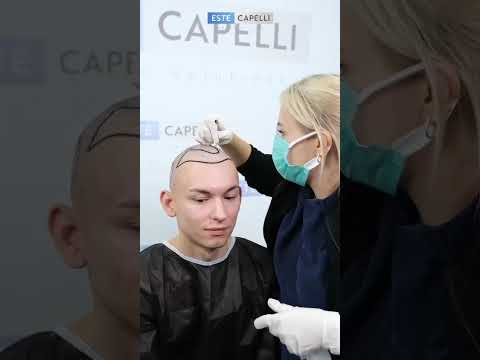

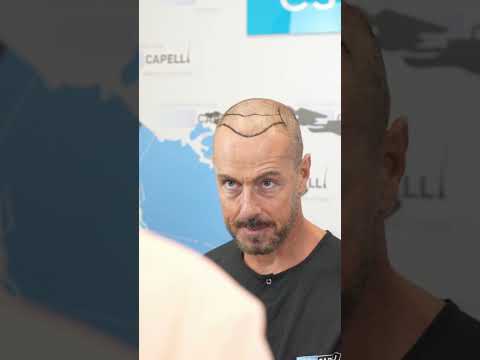


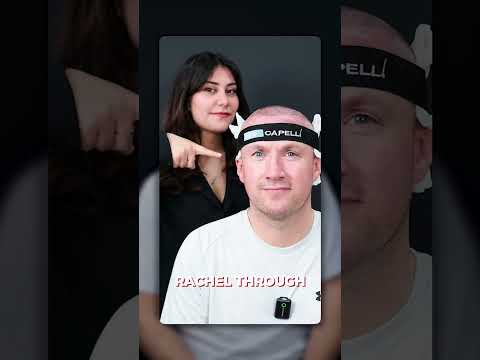
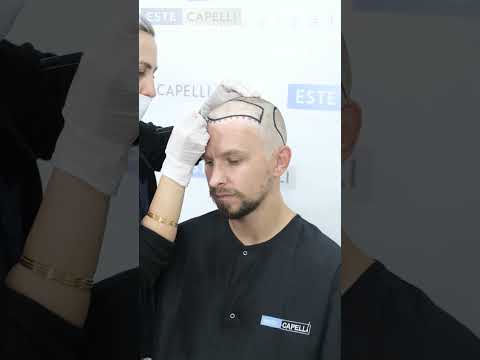
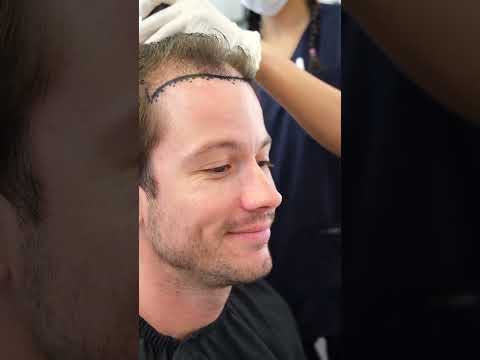
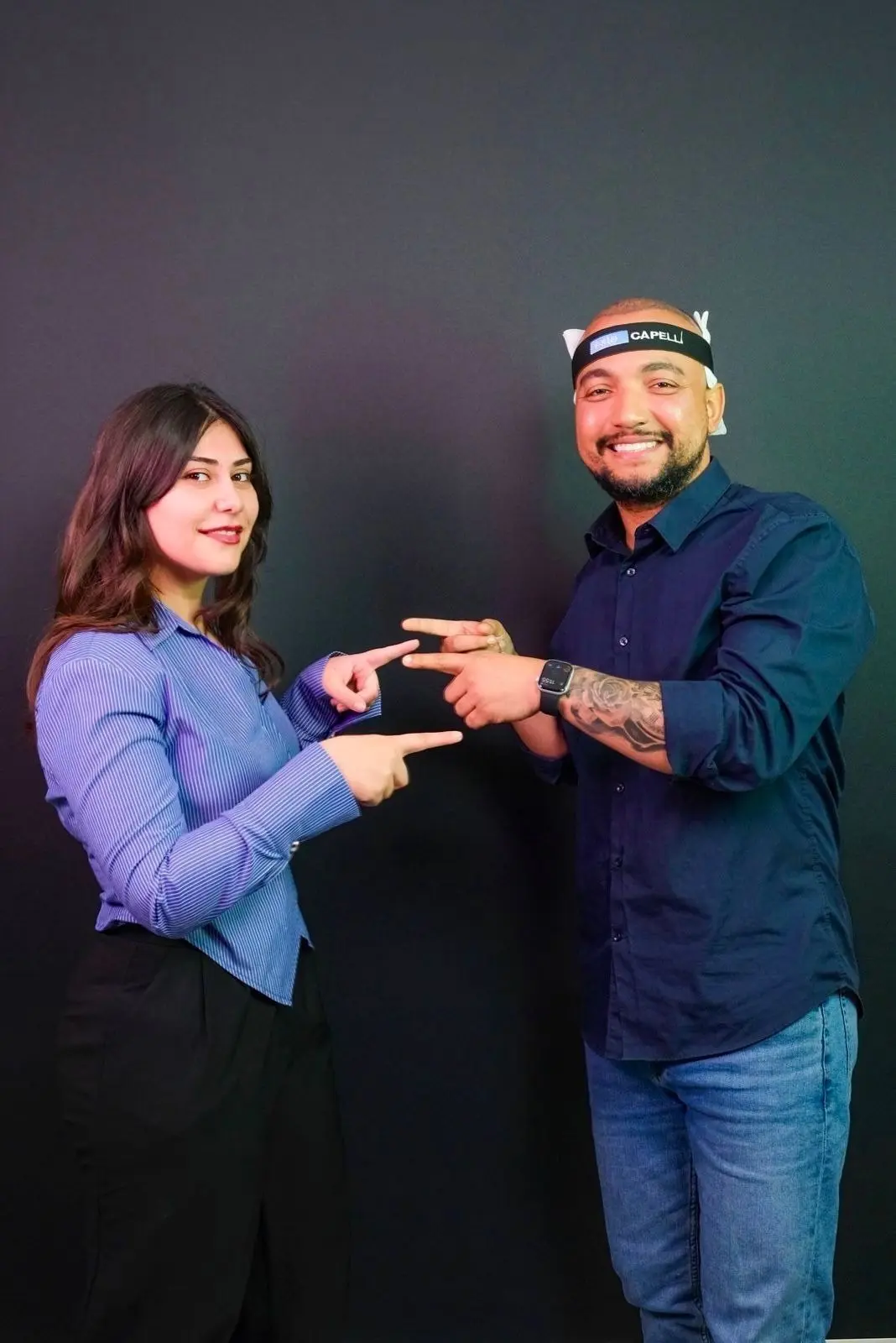
We are a specialized hair transplant clinic that openly welcomes patients living with HIV, Hepatitis B and Hepatitis C — patients who have too often been refused, judged or asked to "try somewhere else." Here, you are simply a patient.
Our team is trained in serostatus-aware care: rigorous bio-safety protocols, single-use sterile instruments, and complete confidentiality from the first WhatsApp message to your final follow-up call. We perform DHI and Sapphire FUE — two of the safest, most established techniques in hair restoration today.
From pre-operative labs to a 1-year follow-up plan, our medical coordinators are available 24/7 in multiple languages — and your status is never discussed with anyone outside of your direct care team.
We've gathered the questions HIV+ and Hepatitis patients ask most often. Honest, medically accurate answers — no judgment, no jargon.
Yes — absolutely. HIV is not a contraindication to hair transplant surgery. Patients living with HIV who are on consistent antiretroviral therapy (ART), have a stable CD4 count and an undetectable or controlled viral load are excellent candidates. The procedure itself works exactly the same way — follicles are taken from the donor area and implanted into the recipient area, regardless of HIV status. The key differences are pre-operative screening and bio-safety protocols, both of which we apply rigorously.
Yes. Patients with Hepatitis B (HBV) and Hepatitis C (HCV) are accepted for hair transplant surgery in our clinic. For Hepatitis B we typically ask for recent HBsAg, HBeAg and HBV-DNA results; for Hepatitis C we request HCV-RNA and a liver function panel (ALT, AST, bilirubin, INR). If your liver function is stable and there is no decompensated cirrhosis, you are a candidate. Patients who have completed Hepatitis C antiviral therapy and achieved SVR (sustained virologic response) are treated exactly like any other patient.
As a clinical guideline we ask for:
Cases that fall outside these numbers are reviewed individually — being slightly below the threshold doesn't automatically disqualify you. Our medical team reads your full picture, not a single number.
A hair transplant is a minor, superficial surgical procedure performed under local anesthesia — it does not involve general anesthesia, deep tissue, or major blood loss. For an HIV+ patient with controlled disease, it carries no greater risk than for an HIV-negative patient. We do not ask you to stop your antiretroviral medications. Your immune function is monitored before the procedure, and our protocol is designed to minimize any stressor on your body.
No. We follow Universal Precautions — the international standard that treats every patient as potentially infectious, regardless of disclosed status. That means: sterile single-use instruments, disposable Choi pen tips, single-use sapphire blades, double-glove protocol, dedicated sterile room, certified medical waste disposal, and full PPE for all staff. There has never been a documented case of HIV transmission from patient to surgical staff during a properly conducted hair transplant. Your status changes nothing about how we already protect ourselves and other patients.
HIV can contribute to hair thinning in several indirect ways: chronic immune activation, nutritional deficiencies (especially iron, zinc, biotin and B12), opportunistic infections, and the body's response to chronic illness. Telogen effluvium — a diffuse temporary shedding — is common after initial HIV diagnosis or any major health event. However, most male-pattern hair loss in HIV+ patients is genetic (androgenetic alopecia) and behaves exactly like in HIV-negative men. A correct diagnosis of the type of hair loss is the first step before any transplant decision.
Modern ART regimens rarely cause significant hair loss, but older drugs and specific medications have been associated with thinning — most notably indinavir, lamivudine, efavirenz and historically zidovudine (AZT). If you suspect a medication is contributing to your shedding, never stop your ART on your own — talk to your HIV specialist about a regimen review. A hair transplant addresses pattern loss, not drug-induced diffuse shedding, so an accurate cause must be identified first.
No — do not stop your antiretrovirals. Maintaining your ART regimen is essential to keep your viral load suppressed and your immune system protected. The same applies to hepatitis antivirals. The medications you should typically pause before surgery are blood thinners (aspirin, ibuprofen, certain supplements), and you should avoid alcohol for 3 days before. Bring a complete list of every medication you take — including ART — to your consultation so we can plan around it safely.
Standard pre-operative work-up includes:
If you've had recent labs (within ~3 months), we can usually use those — no need to repeat needlessly.
For HIV+ patients with a CD4 count above 350 and a suppressed viral load, wound healing is essentially the same as for HIV-negative patients. Crust formation, scab fall, and the normal "shock loss" timeline (initial shedding around weeks 2–6, regrowth at months 3–4, final results at 12–18 months) follow the standard schedule. We do prescribe a slightly extended antibiotic prophylaxis and we monitor your recovery a bit more closely — but you should not expect a longer or more painful healing process.
Absolutely. Your medical information is strictly confidential. Only the medical team directly involved in your care has access to your status. Your records are stored securely and are not shared with third parties, insurers, employers or family members without your explicit written consent. WhatsApp consultations are handled by senior medical coordinators only. You can also book under initials or a code name if you prefer — we are accustomed to discreet care and we never ask why.
Many clinics refuse HIV+ or hepatitis patients out of stigma, not science. Medically, there is no legitimate reason to deny a stable HIV+ or hepatitis patient a hair transplant — only protocol gaps and outdated fears. Our team has been specifically trained in handling these cases, our equipment is built around universal precautions, and we believe medical care should never be conditional on a person's serostatus. You will not be lectured, made to wait separately, or treated as a risk. You will be treated as a patient.
Yes. Clinical experience and published literature show no statistically significant difference in graft survival, hair density or aesthetic outcome between virally suppressed HIV+ patients and HIV-negative patients. The same applies to compensated Hepatitis B and Hepatitis C patients. Final results — full density and natural-looking growth — are typically visible at 12 to 18 months.
Yes. The transplanted follicles are harvested from the genetically resistant donor zone at the back and sides of the scalp — these hairs are programmed to resist the hormone (DHT) that causes pattern baldness, so they keep growing for life in their new location. Your HIV or hepatitis status does not change this biological property.
Yes — please disclose during the medical consultation. This is not for judgment, it is for your safety: it allows us to plan the correct blood panel, antibiotic prophylaxis, and operating-room setup. Disclosure is between you and our medical coordinator only. We have a written confidentiality policy and you can request a copy before sharing anything.
The transplant itself takes between 6 and 9 hours depending on the number of grafts and the technique (DHI typically takes longer than Sapphire FUE). It is performed under local anesthesia with regular breaks. Most patients return to office work within 3–5 days. Physical training, swimming and direct sun exposure should wait 3–4 weeks. We will give you a detailed, printed recovery schedule tailored to your case.
Both are excellent and safe options. Sapphire FUE uses fine sapphire blades to open the recipient channels before implantation — best for high graft counts and broad coverage, with fast healing. DHI uses a Choi implanter pen that opens the channel and implants the follicle in a single step — ideal for higher density, smaller targeted zones, and patients who don't want their existing hair fully shaved. The right choice depends on your hair loss pattern, donor capacity and goals. Our medical team will recommend the technique based on your scalp examination — not the other way around.
You as the patient do not need PEP — that protocol exists for healthcare workers in the rare event of an occupational exposure. Your aftercare follows the standard hair-transplant schedule: sleeping position adjustments for 7 nights, gentle washing protocol starting day 3, prescribed antibiotics for 5–7 days, and follow-up calls/photos at week 1, month 1, month 3, month 6 and month 12. If anything feels unusual at any stage, our medical coordinator is reachable 24/7.
In that case we usually recommend postponing the procedure and working with your HIV specialist to optimize your numbers first — typically 3 to 6 months on the right ART regimen is enough to reach a safer window. This is not a refusal — it's good medicine. The transplant will still be there when your body is in the best position to heal beautifully. Reach out anyway: our medical coordinator can review your most recent labs and tell you exactly what target you should aim for before booking.
Our team is available 24/7 to answer your questions.

